Organic waste processing capacity
 Projects / NJK EnterprisesAll projects ↖
Clean energy / Project 05
Neighbourhood waste,
turned into useful energy.
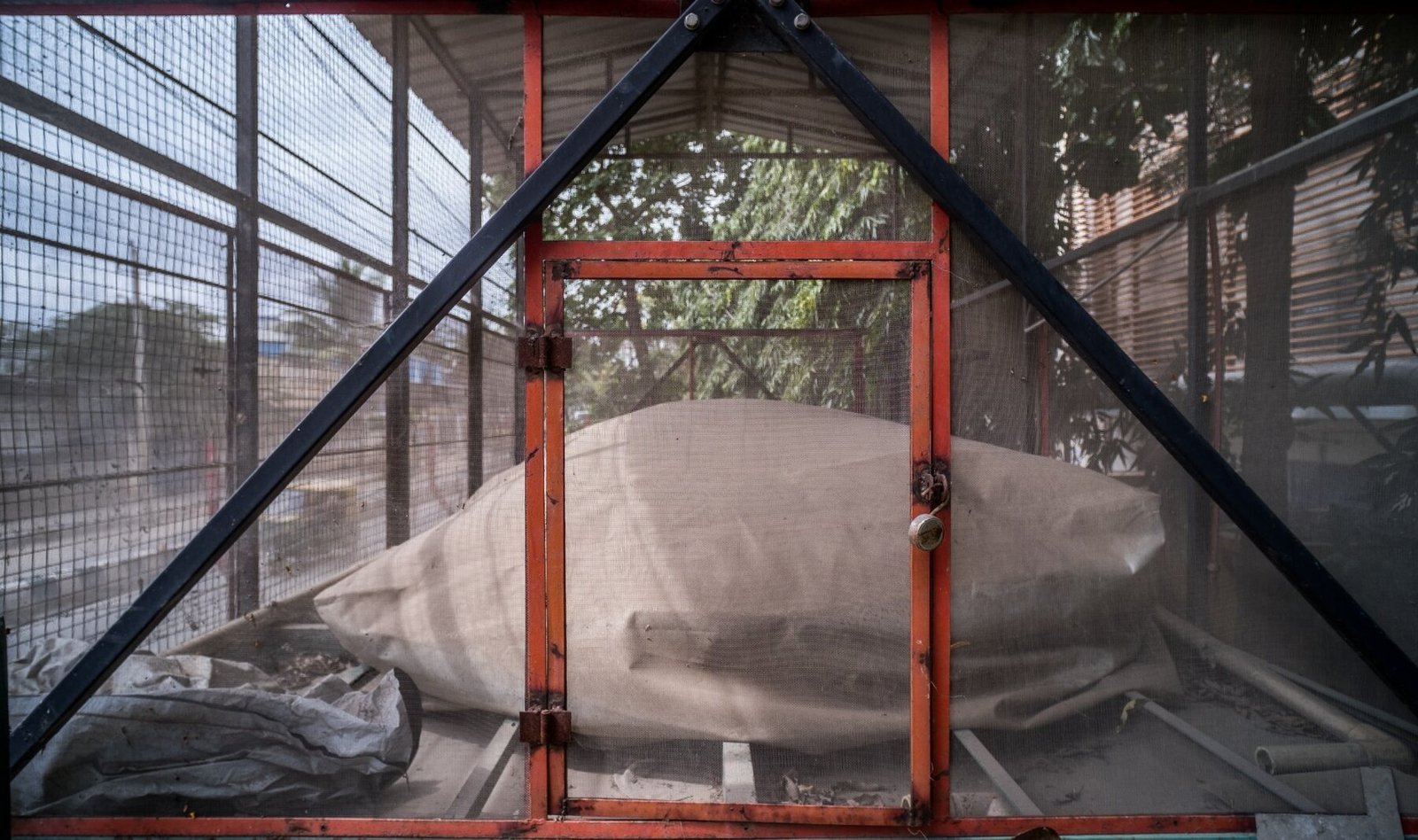
NJK Enterprises wanted its community waste initiative to do more than move food scraps elsewhere. Firefly designed a decentralised system that turns local organic waste into cooking fuel and useful agricultural inputs.
The operating proof
A small system doing several useful jobs at once.
These are the operating figures reported in Firefly's original NJK case study.
Biogas produced for useful on-site energy
Two canteen meals supported by the system
Reported time to visible operational impact
The brief, honestly stated
The factory did not need a more efficient way to remove waste. It needed a reason for waste to stay useful.
Food waste from the company canteen and five nearby hotels was already a disposal cost. The opportunity was to keep its energy and nutrients on site, but only if the system could be fed, operated and used consistently.
What was really happening
One waste stream.
Four missed opportunities.
The cost was not only disposal. Every load leaving the site also carried useful energy and nutrients away with it.
The Firefly move
Design the destination before designing the digester.
A circular system works only when every output has a real user, at the right place and at the right time.
Map the waste
Match the system to the real volume, composition and rhythm of food waste arriving each day.
Design the reactor
Size a decentralised biomethanation system that can be operated reliably within the factory premises.
Use energy where it matters
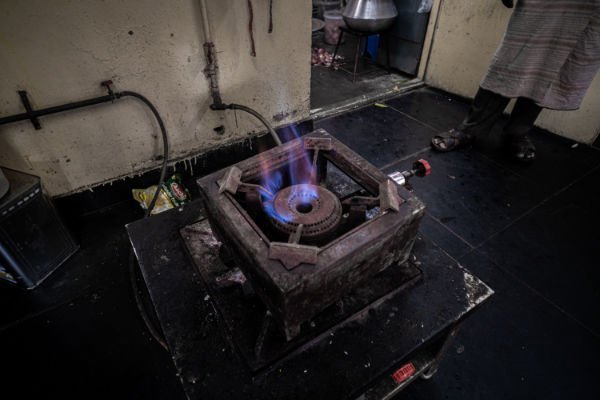
Compress the biogas for a steady flame and route it directly to the canteen that needs it.
Return the value
Use compost and digester liquid in the landscape instead of creating another disposal problem.
The practical difference
The clever part was not making gas. It was giving the gas somewhere useful to go.
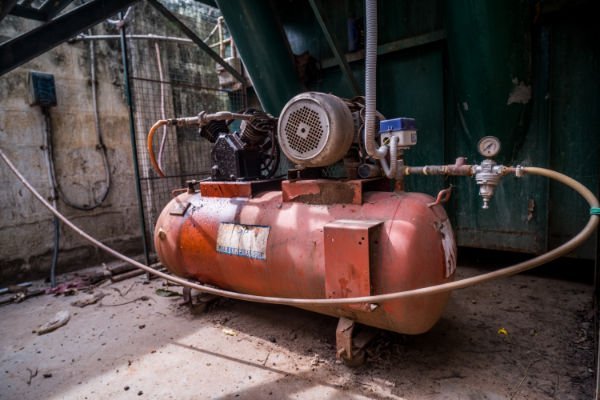
A compressor helped deliver a consistent flame to two canteen burners for up to five hours a day. The remaining compost and digester liquid returned to the premises garden, so the system created useful outputs instead of new leftovers.
Explore clean energy ↗Start hereFood waste
SegregatedfeedstockBiomethaneCanteen
heatSoil
inputs
From the operating site
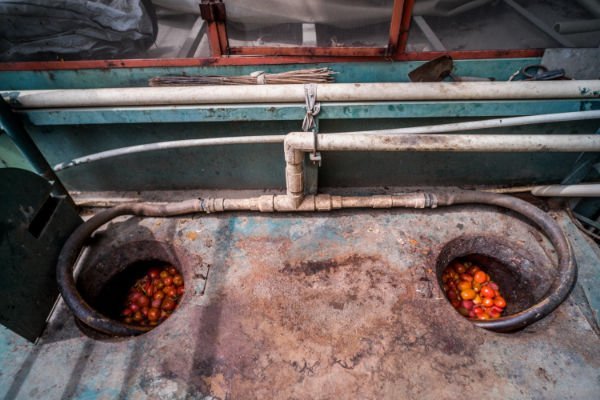
Not a diagram of a circular system. The real thing.
Impact / reported
Value that stayed on the site.
The strongest proof of circularity is not that waste disappears. It is that the outputs become useful enough to replace a real cost.
Potential monthly saving on waste disposal
Potential monthly saving on LPG
Reported return-on-investment period
Organic feedstock sent onward for centralised treatment
Figures are based on Firefly's original NJK case study. Future reporting should pair them with dated operating logs, feedstock records and energy-use data.
What this project proves
Waste becomes valuable when the next use is designed first.
The digester is only one part of the system. Segregation, daily operation, a dependable energy user and a destination for soil inputs are what close the loop.
Bring us your site challenge ↗